


“Which competitors show up for the prompts I care about?”
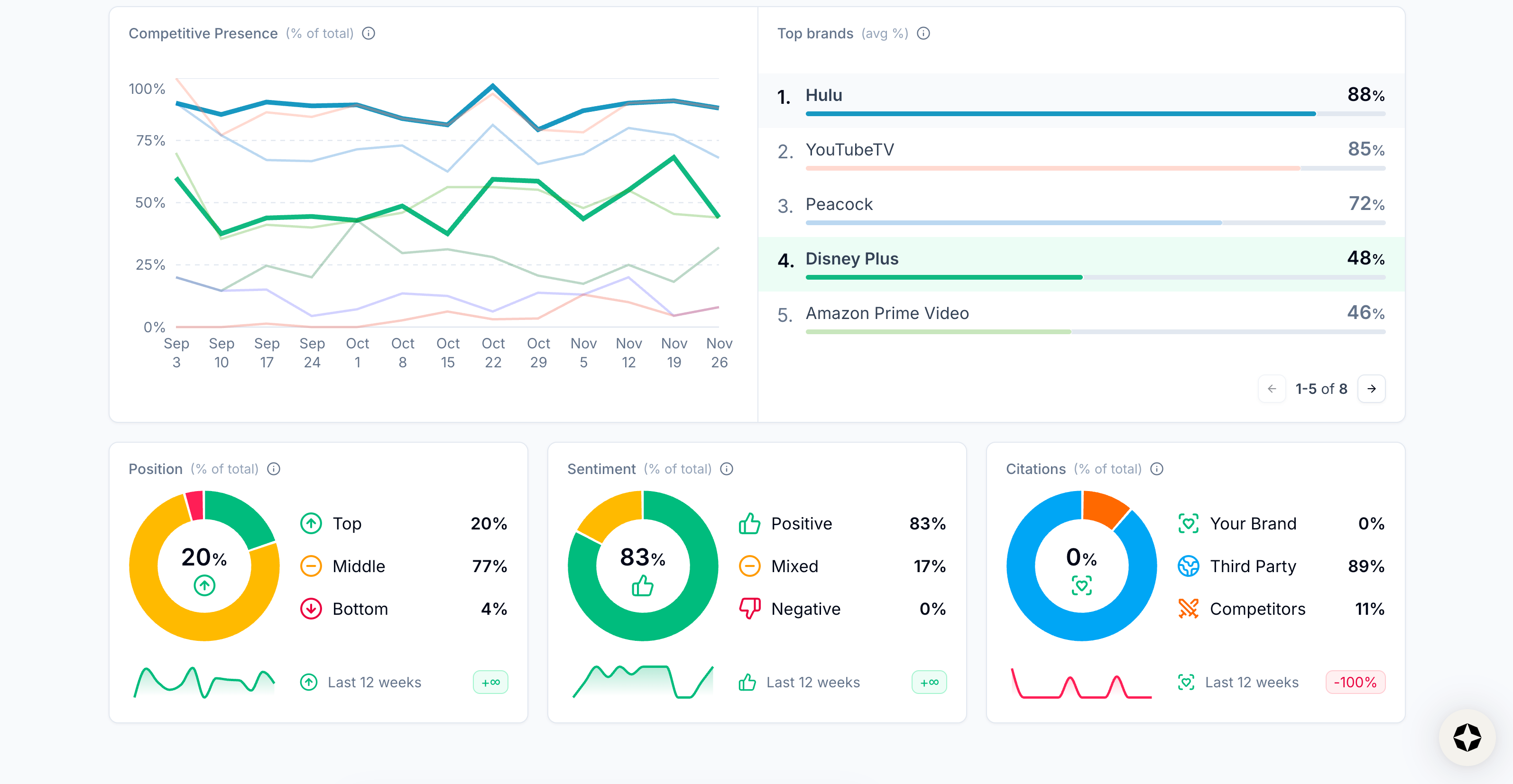
That’s the No. 1 question I hear as an AE at Scrunch (and something we’ve fully automated in our product with Suggested Competitors).
It’s a good question, but there’s an even better follow-up: “Why do competitors show up for the prompts I care about?”
As the shift to AI search accelerates, that’s the question every team should be asking itself.
This is why, and how Scrunch can help.
ChatGPT doesn’t love your competitors, it loves their content
The teams I work with generally know which prompts they want to show up for. What they don’t know is why they’re not.
AI search results are citation-driven. LLMs answer questions by pulling from the content and sources they trust most.
If a competitor is beating you for a prompt you care about, it’s because something is influencing the model. And that influence usually comes from one of three places:
1. Competitor content
2. High-authority third-party articles
3. Industry-relevant resources
Understanding which ones are influencing LLMs is the whole ballgame. With that knowledge, you can stop guessing about how to increase share of voice and start doing it.
This is where Scrunch comes in.
Track patterns, not just placements
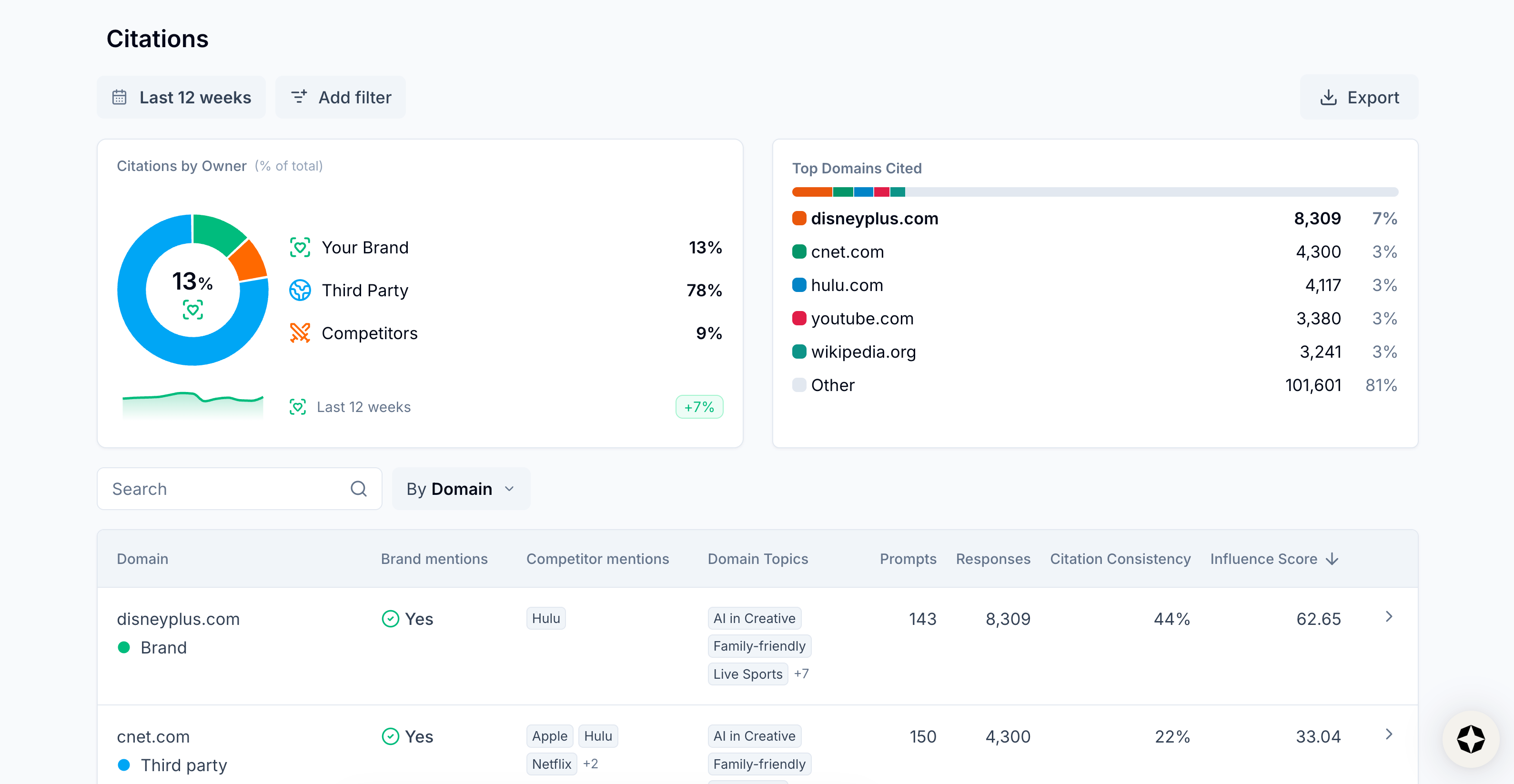
Our platform shows you exactly how your competitors show up in AI search and which sources are referenced for competitive mentions across every major LLM.
That includes:
- Which competitor mentions appear consistently over time
- Which patterns repeat day after day rather than appearing as one-off answers
- Which competitor webpages are driving visibility
- Which third-party websites are being cited
The historical view of this data is critical.
A single snapshot can change the very next day. A two-or three-week trend reveals what AI models consistently rely on.
Once you have this data for the prompts you care about, you’ll know:
- Which competitors the models reference most
- Which sources influence answers most
- Whether citations are from competitor content or authoritative third parties
- How often sources appear over time
This (what the models tell you they trust today) becomes your playbook.
Go from diagnosis to remedy
Closing the visibility gap your competitors are benefiting from is a simple matter of serving the models that are serving your target audience:
- Secure placements on third-party sites that LLMs trust
- Target the exact articles and references that are moving the needle today
- Create or optimize content to align with dominant sources
Know where to focus your efforts
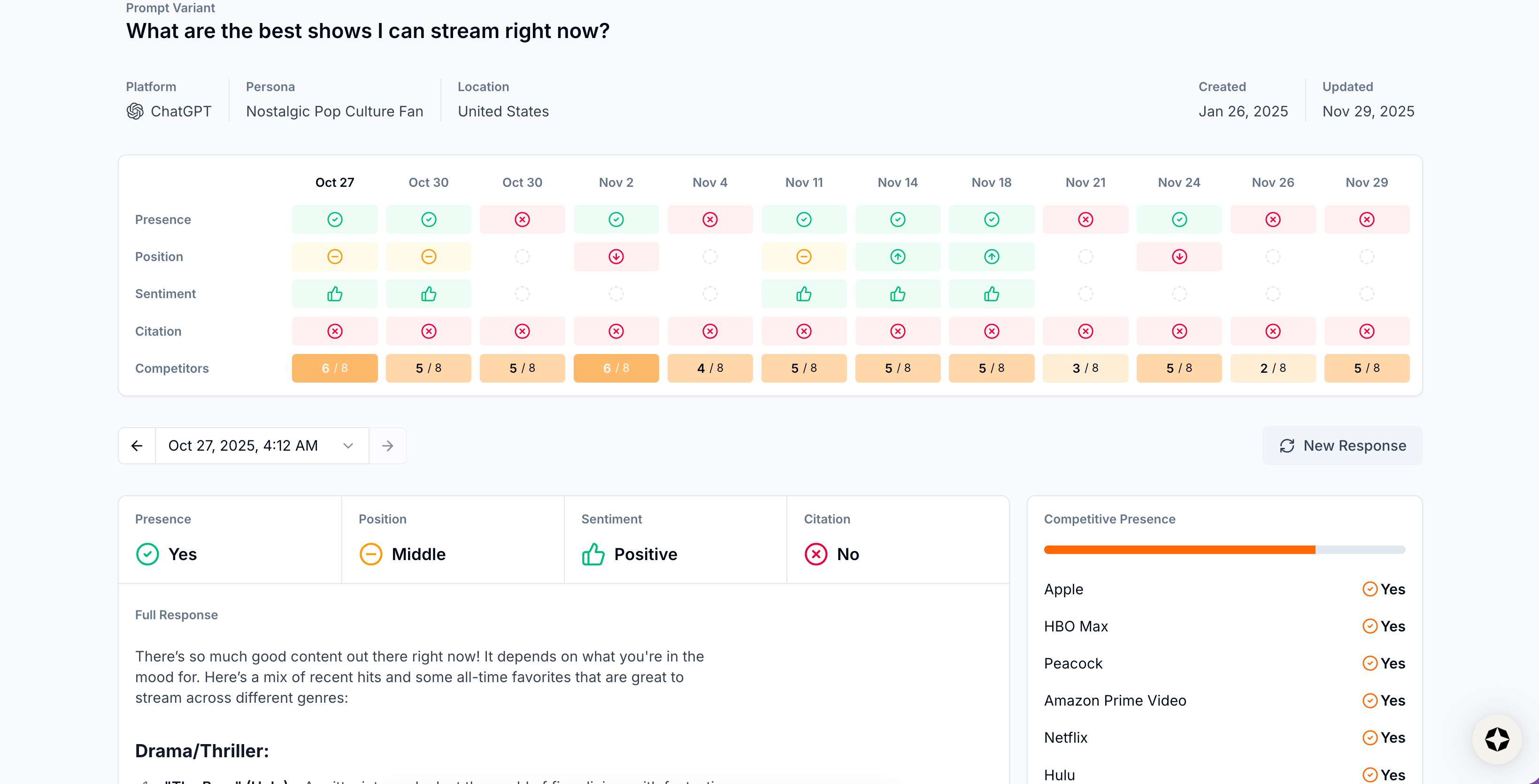
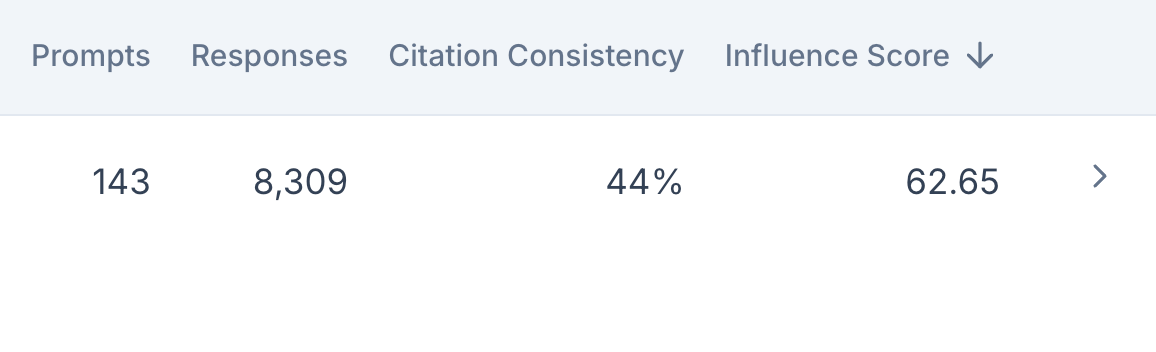
This is straightforward with Scrunch. You can look in the Citations tab to see which domains and individual pieces of content have the most influence on the answers you care about. The Influence Score is calculated by multiplying the percentage of responses that have cited a source by the number of unique prompts.
These are the publications, comparison sites, industry blogs, and resource pages that LLMs already trust. Once you know which ones consistently appear, you know exactly where PR or placement efforts will have the biggest impact.
Prioritize getting mentioned, referenced, or quoted on those sites first. This ensures that when LLMs look for supporting evidence, they find your brand on the same authoritative domains that they already rely on for your competitors.
Note: Recent research shows that content distributed across multiple news outlets can improve citation rate by 325%.
Know what content to create and how
If you’re creating net-new content, the fastest path is to study the competitive content that LLMs are currently citing for your target prompts. Those pages give you a blueprint for what the model prefers: the depth, structure, supporting evidence, and topical coverage that consistently influence answers.
Scrunch surfaces those exact competitor articles and third-party sources so you can mirror the patterns that already work while elevating them with your own expertise and perspective.
If you’re optimizing existing content, Scrunch’s Optimizer features allows you to take a published page and enrich it using your own brand language and supporting assets. The optimizer uncovers the full intent of the page, identifies missing context that prevents models from understanding the complete story, and helps you strengthen the signals LLMs rely on.
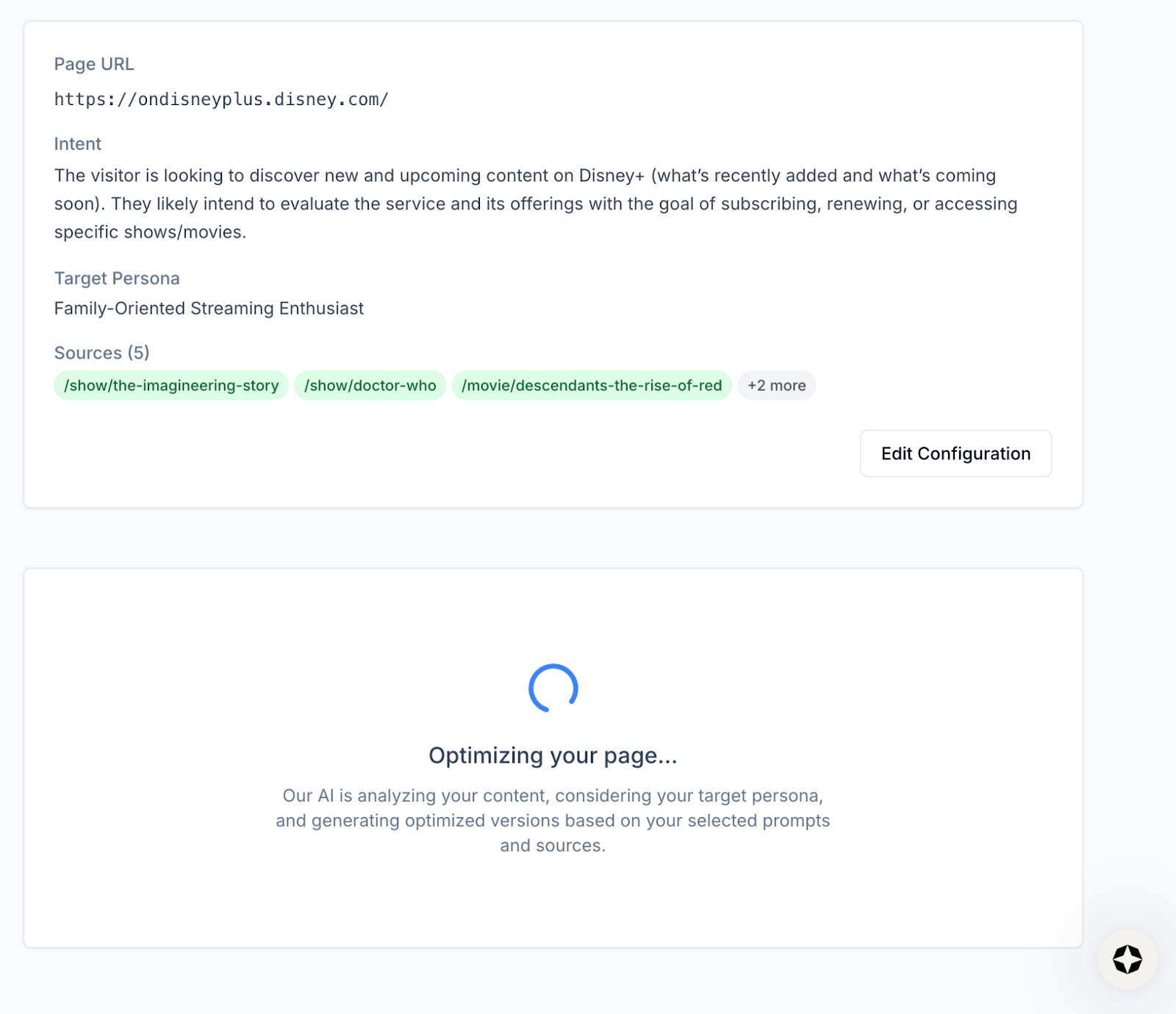
Whether you’re creating or optimizing, the goal is the same: Align your content with the dominant sources models already trust so they have every reason to choose you instead.
Identify the gaps, close the gaps, improve visibility
Your competitors winning today aren’t winning by accident.
They have content (or are being mentioned in content) that AI models use as evidence.
Once you can see the sources, you can see where you’re absent. And once you know where you’re absent, you have a game plan for what to do next.
Don’t just settle for what—make sure you understand the why.
Every brand wants to know how to move the needle in AI search. Scrunch shows you directly.
Measure competitor visibility in AI search with Scrunch
See how you and your competitors stack up for the prompts you care about in Scrunch. Try Scrunch free for 7 days or schedule a demo to see it in action first.


